
Concrete plants · 12 October 2026 · 4 min read
What to check before sourcing a concrete batching plant
Six checks that save time and cost when you specify a batching plant, whether it is for ready-mix supply or a single infrastructure site.
K77 Group engineering team
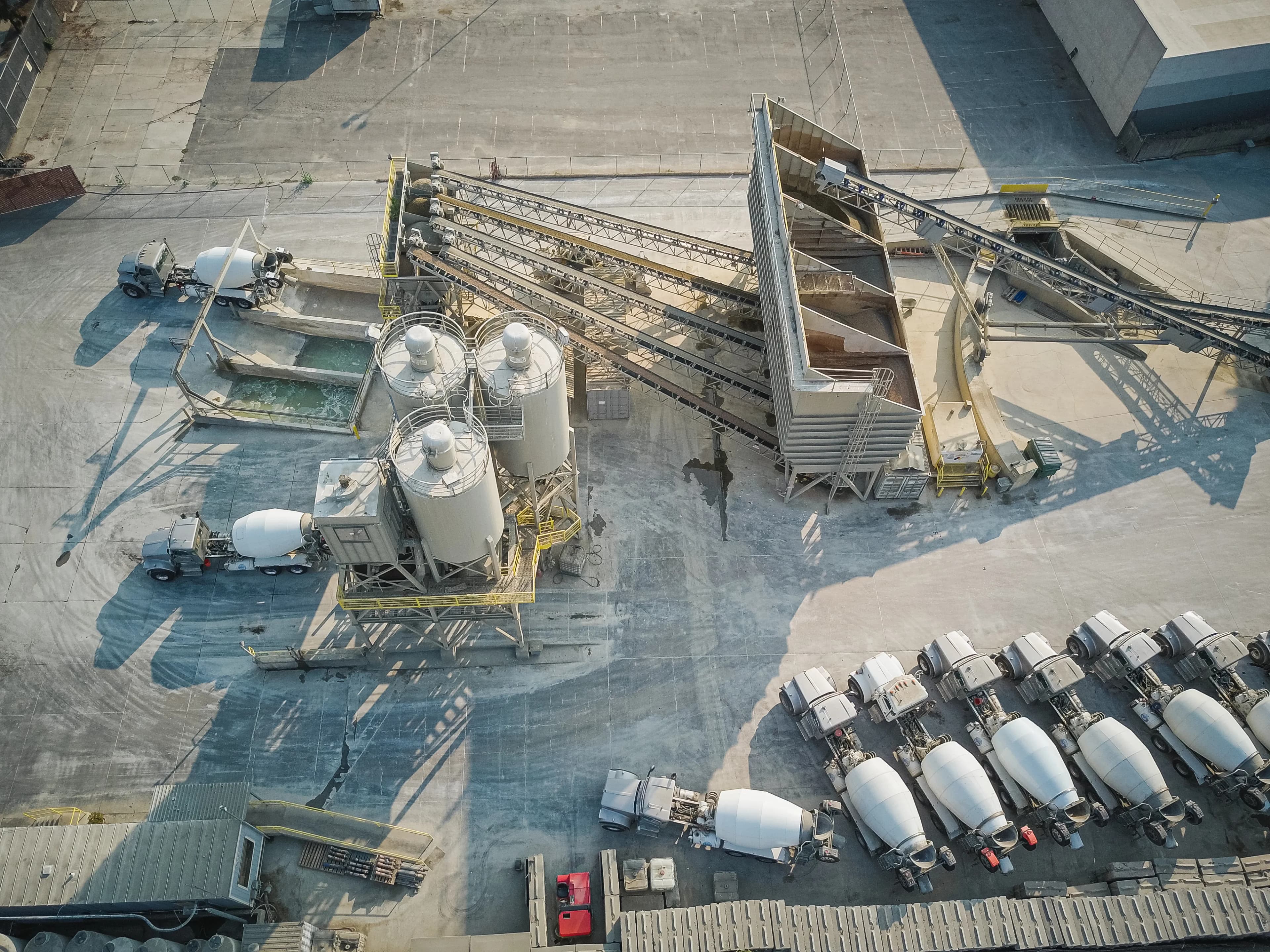
A concrete batching plant is simple in principle: store, weigh, mix and discharge. The difference between a plant that serves you well and one that holds you back is usually in the specification decisions made before purchase.
1. Real output, not rated output
Rated output assumes ideal cycles. Your real output depends on mixer size, cycle time, aggregate handling and how quickly trucks are loaded. Size the plant against the pours you actually plan.
2. Mixer type
Twin-shaft mixers suit high-output and structural concrete. Planetary mixers suit precast and specialty mixes. Drum or truck mixing may be enough for small, low-specification sites.
3. Stationary or mobile
A stationary plant gives capacity and storage for years of supply. A mobile plant moves with the work and sets up quickly, but with less storage and buffer.
4. Storage and climate
- Cement silo capacity against delivery reliability
- Aggregate cooling or chilled water for hot-weather concreting
- Dust control around cement handling
5. Control system and records
Batch records are part of quality assurance. Check that the control system logs every batch and can export records in a form your consultant will accept.
6. Support after delivery
Ask who installs and commissions the plant, how operators are trained, and how quickly wear parts can reach your site. These decide how many productive days you get each year.